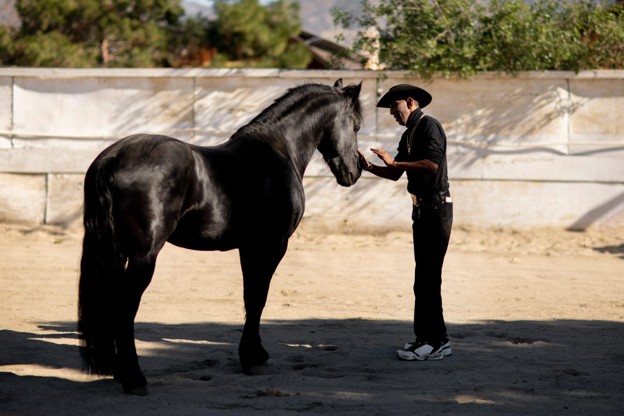
Competition results naturally attract attention, but Freddie Vazquez Jr. explains that the most successful equestrian partnerships are built by balancing short-term performance with long-term development. While every rider appreciates a successful round, sustainable success depends on preparing horses to remain confident, healthy, and adaptable throughout their careers. Training with longevity in mind encourages steady progress while protecting both physical well-being and mental confidence.
In elite equestrian sport, success is not defined by a single season or competition. It is measured by the ability to develop partnerships that continue performing at a high level over many years.
Looking Beyond Immediate Results
Competition provides valuable feedback, but it represents only one chapter in a horse’s overall journey.
Focusing exclusively on immediate outcomes may encourage decisions that prioritize today’s performance over tomorrow’s development.
Long-term thinking instead asks questions such as:
- Is confidence improving?
- Is the horse progressing comfortably?
- Are new skills developing naturally?
- Is physical conditioning advancing appropriately?
- Is the partnership becoming stronger?
These considerations help create a foundation for sustained success rather than isolated achievements.
Every horse has its own timeline.
One of the defining characteristics of quality horsemanship is recognizing that development cannot be standardized.
Each horse brings its own combination of:
- Temperament
- Athletic ability
- Physical maturity
- Experience
- Learning style
Some horses progress quickly in certain areas, while others require additional time to develop confidence or consistency.
Respecting these differences often produces more dependable long-term results.
Building Strong Foundations
Lasting performance begins with strong fundamentals.
Rather than continually introducing greater difficulty, experienced riders often focus on reinforcing essential skills through repetition and consistency.
These fundamentals include:
- Balance
- Rhythm
- Straightness
- Responsiveness
- Relaxation
- Communication
A solid foundation allows future progress to occur more naturally while reducing unnecessary setbacks.
Confidence Supports Long-Term Development
Confidence plays a central role in every successful partnership.
When horses approach training with trust and understanding, they become better prepared to learn new skills and adapt to unfamiliar situations.
Confidence grows through:
- Consistent routines
- Patient progression
- Positive experiences
- Clear communication
- Appropriate challenges
Attempting to advance too quickly may undermine the very confidence that supports long-term success.
Physical Development Requires Patience
Athletic ability develops gradually.
Training programs that consider physical maturity allow horses time to strengthen muscles, improve coordination, and increase endurance in a balanced manner.
Responsible progression often emphasizes the following:
- Appropriate conditioning
- Recovery time
- Gradual increases in workload
- Consistent fitness
- Careful observation
These habits help support long-term soundness while preparing horses for continued athletic development.
Mental Freshness Matters
Just as physical conditioning deserves attention, mental well-being contributes significantly to sustained performance.
Maintaining enthusiasm for work may involve introducing appropriate variety throughout a horse’s routine.
Examples include:
- Flatwork sessions
- Trail riding
- Gymnastic exercises
- Light conditioning days
- Rest and recovery
Balanced schedules help maintain engagement while preventing unnecessary fatigue.
Progress Is Rarely Linear
Every equestrian partnership experiences periods of rapid improvement alongside moments that require additional patience.
Temporary setbacks often provide valuable opportunities to evaluate the following:
- Communication
- Timing
- Preparation
- Confidence
- Physical readiness
Viewing these moments as part of the learning process encourages thoughtful adjustments instead of unnecessary pressure.
Consistency Outweighs Intensity
Long-term success is often built through steady, consistent work rather than dramatic training sessions.
Daily habits gradually shape both horse and rider.
Consistent routines may include:
- Regular schooling
- Careful warm-ups
- Balanced conditioning
- Skill refinement
- Thoughtful cool-downs
These small daily investments accumulate into meaningful progress over time.
Partnership Is a Long-Term Investment
The strongest horse-and-rider relationships develop over months and years rather than weeks.
Every positive interaction strengthens mutual understanding while improving communication.
Strong partnerships are often characterized by:
- Trust
- Reliability
- Patience
- Adaptability
- Mutual confidence
These qualities allow horse and rider to navigate challenges together while continuing to improve.
Responsible Development Benefits Performance
Some riders mistakenly view long-term development and competitive ambition as competing priorities.
In reality, they frequently support one another.
Horses developed thoughtfully often demonstrate the following:
- Greater consistency
- Improved confidence
- Better adaptability
- Stronger communication
- More reliable performances
Responsible horsemanship creates conditions where athletic ability can continue developing throughout a horse’s career.
Measuring Success Differently
Competition results remain important, but they should not become the only measure of progress.
Meaningful indicators of development may also include:
- Improved rideability
- Greater relaxation
- Increased responsiveness
- Better recovery
- Enhanced confidence
- Stronger partnership
These achievements frequently lay the groundwork for future competitive success.
A Career, Not a Single Season
Elite equestrian sport rewards those willing to think beyond immediate outcomes.
Each training session contributes to a much larger picture that extends well beyond one event or competition season.
By making thoughtful decisions consistently, riders help create partnerships capable of adapting, improving, and performing throughout many years of competition.
Final Thoughts
Training for results and training for longevity are not opposing philosophies; they are most effective when they work together. While competition provides valuable milestones, lasting success comes from developing horses with patience, consistency, and respect for both physical and emotional well-being.
A long-term approach allows horses to continue learning, growing, and performing with confidence while strengthening the partnership that makes elite equestrian sport so unique. In the end, the greatest accomplishments are rarely defined by a single victory but by a career built on trust, responsible development, and a commitment to continual improvement.